
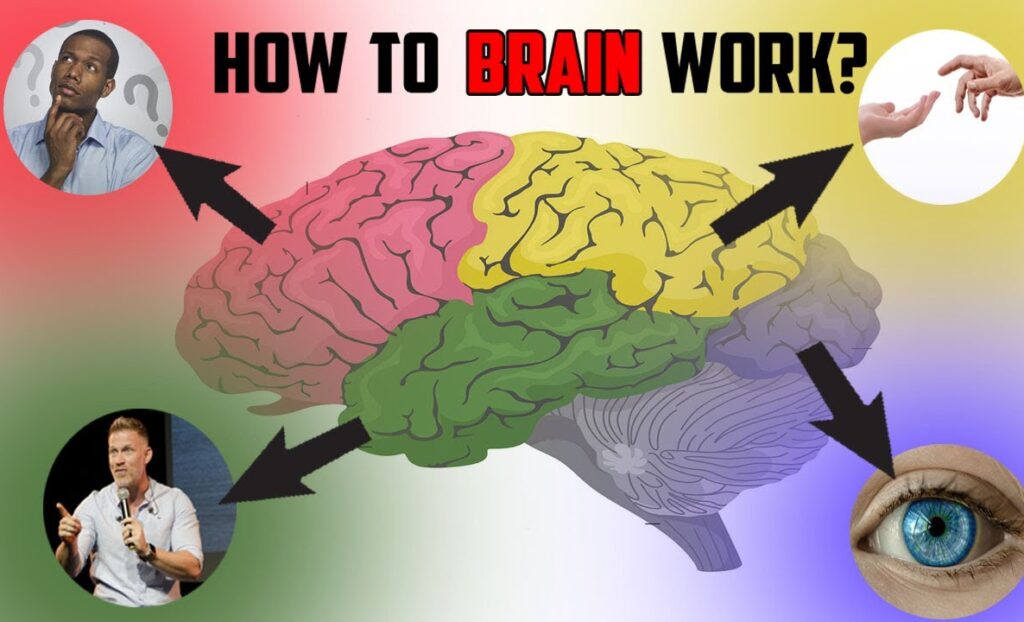
The Brain is the most powerful organ in the human body.
It controls your thoughts emotions memory and movement.
It works every second even when you sleep.
Many people never stop to think about how the human brain truly works.
Your brain decides how you learn, how you feel and how you react.
It also controls breathing heartbeat and survival.
This article explains how the brain works, why the brain matters in daily life, and how to improve brain health naturally.
You will learn about brain structure, brain functions, brain development, brain disorders, and modern brain research.
You will also discover science-based habits that protect your brain for life.
1. What Is the Brain
The brain is the control center of the nervous system.
It sends and receives messages throughout the body.
These messages travel through nerves and the spinal cord.
The human brain allows you to think, remember, move, and feel emotions.
The brain weighs about three pounds.
It contains around 86 billion neurons.
Neurons are nerve cells that transmit signals.
Glial cells support and protect neurons.
The spinal cord works like a communication cable.
The brain works like a powerful computer processor.
2. Major Brain Regions and What They Do
2.1 Cerebrum – The Thinking Brain
The cerebrum is the largest part of the brain.
It controls thinking, learning, speech, and decision making.
The left side manages logic and language.
The right side supports creativity and imagination.
Damage to this area affects memory and personality.
2.2 Cerebellum – Balance and Coordination
The cerebellum controls balance and smooth movement.
It helps you walk, write, and perform skilled actions.
Athletes rely heavily on this brain region.
Without it, movement becomes shaky and uncoordinated.
2.3 Brainstem – Life Support System
The brainstem controls breathing and heart rate.
It regulates sleep and basic reflexes.
It connects the brain to the spinal cord.
Damage here can be fatal.
2.4 Limbic System – Emotions and Memory
The limbic system controls emotions and memory.
The amygdala manages fear and stress.
The hippocampus forms new memories.
Strong emotions often create stronger memories.
3. How the Brain Communicates
The brain communicates using neurons.
Neurons send electrical signals.
These signals cross gaps called synapses.
Chemical messengers called neurotransmitters carry the message.
Dopamine controls pleasure and motivation.
Serotonin regulates mood and emotional balance.
Low serotonin is linked to depression.
Myelin coats neurons and speeds signal travel.
Better myelin improves thinking speed and focus.
4. Brain Development Across Life
Brain development starts before birth.
Prenatal nutrition strongly affects brain growth.
During childhood, the brain forms new connections quickly.
This ability is called neuroplasticity.
Adult brains continue to change.
Learning new skills builds stronger neural pathways.
Aging slows reaction time.
Wisdom and emotional control often improve with age.
5. Key Brain Functions
The brain manages cognition, movement, senses, and emotions.
Cognitive functions include attention and memory.
The prefrontal cortex controls planning and focus.
Sleep strengthens memory storage.
Motor control allows muscles to move.
Signals travel from the brain to muscles through nerves.
Damage can cause weakness or paralysis.
Sensory processing allows you to see, hear, and feel.
Different brain areas handle different senses.
The brain combines them into one experience.
Emotions arise from complex brain circuits.
Hormones and neurotransmitters interact constantly.
Chronic stress changes brain structure over time.
6. Common Brain Disorders
Brain disorders affect millions worldwide.
Alzheimer’s disease damages memory and thinking.
It is linked to protein buildup in brain tissue.
A stroke occurs when blood flow stops.
Brain cells die without oxygen.
Quick treatment saves lives.
Parkinson’s disease affects movement.
It is caused by dopamine loss.
Depression and anxiety change brain chemistry.
They are medical conditions, not personal weakness.
Traumatic brain injury disrupts normal brain function.
Even mild concussions can have lasting effects.
7. Lifestyle and Brain Health
Exercise improves blood flow to the brain.
It supports brain plasticity.
Regular activity lowers dementia risk.
Nutrition shapes brain structure.
Omega-3 fatty acids support neurons.
Antioxidants reduce brain inflammation.
Sleep repairs brain tissue.
Poor sleep harms memory and focus.
Stress damages the hippocampus.
Relaxation protects long-term brain health.
8. Brain Myths and Facts
Many believe humans use only 10 percent of the brain.
This is false.
Brain scans show activity across all regions.
Adults can grow new brain cells.
This happens in the hippocampus.
Learning and exercise support this growth.
9. Modern Brain Research
Scientists now map the brain in detail.
Artificial intelligence helps analyze brain data.
Brain-computer interfaces restore movement in paralysis.
Non-invasive stimulation treats depression.
Neuroplasticity research improves recovery after injury.
Brain science is advancing rapidly.
10. Daily Habits That Boost Brain Power
Mental challenges strengthen neural connections.
Reading improves focus and memory.
Social interaction protects cognitive health.
Mindfulness improves attention control.
Daily practice changes brain structure.
Healthy habits compound over time.
Conclusion
The Brain shapes every part of your life.
It controls thoughts, emotions, and decisions.
Understanding how the brain works helps you protect it.
Healthy habits support long-term brain health.
Exercise, sleep, and nutrition matter daily.
Learning keeps the human brain flexible.
Small changes create lasting benefits.
Care for your brain today to enjoy a sharper mind tomorrow.
FAQs
Why do we dream?
Dreams help process emotions and memories.
Can the brain heal itself?
Yes through neuroplasticity.
What causes memory loss?
Aging, stress, and disease.
Is multitasking bad for the brain?
Yes it reduces focus and accuracy.
Does exercise improve brain health?
Yes it strongly supports cognition.
