
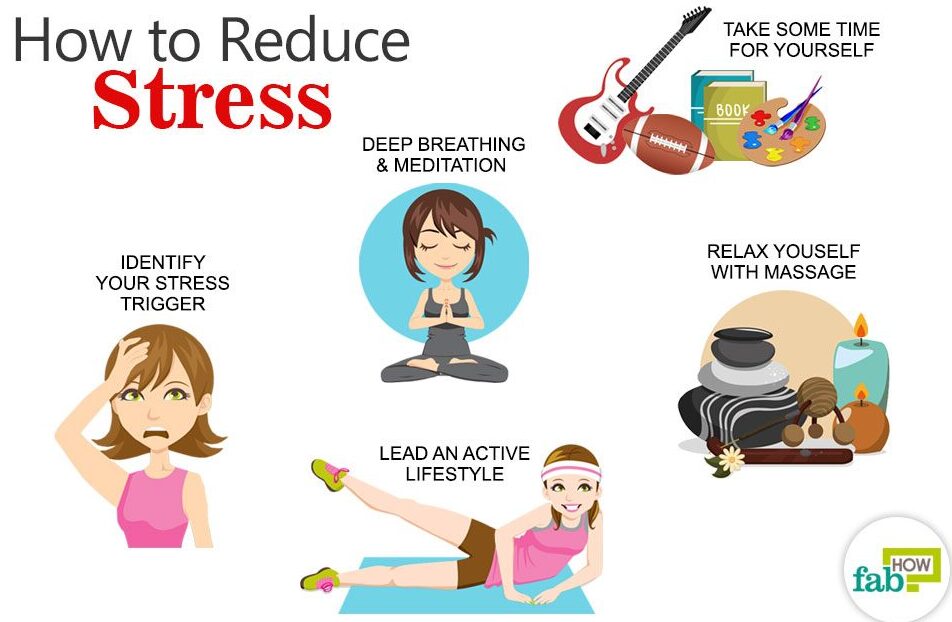
How to Reduce Stress Naturally is not about motivation or mental strength. Stress is not weakness. Stress is biology. Your body reacts before your mind even understands what is happening. Modern life keeps this stress response switched on all day. Screens noise deadlines poor sleep and skipped meals confuse your nervous system. Over time your body forgets how to relax. This article explains how to reduce stress naturally by calming your nervous system first. You will learn real, science-based ways to help your body feel safe again. No shortcuts. No hype. Just methods that work with human biology and restore balance over time.
1.Why Stress Isn’t Just “In Your Head
Stress begins in the nervous system. Your brain’s first job is survival. It constantly scans for danger. When it detects a threat real or imagined it releases cortisol and adrenaline. These hormones raise heart rate tighten muscles and sharpen focus. This response once helped humans escape predators.
Today, the threats are not physical. They are emails, bills, traffic, and constant alerts. Your body still reacts as if danger is present. When stress becomes constant, the nervous system never fully shuts off. Natural stress relief means retraining the body to recognize safety again. Until that happens, the mind cannot truly relax.
- What Stress Really Is and Why Most Advice Fails
Stress is a physical state, not a mindset problem. Cortisol raises blood sugar so you can act fast. Adrenaline increases breathing and heart rate. This is useful in short bursts. This is acute stress.
Chronic stress is different. The hormones stay high for weeks or months. This damages sleep, digestion, mood, and immunity. Advice like “calm down” fails because the body still feels unsafe. The nervous system does not respond to logic. It responds to signals. Learning how to reduce stress naturally means changing those signals.
- The Stress Loop That Keeps Stress Alive
Stress creates a loop inside the body. Stressful thoughts release hormones. Hormones tighten muscles and speed breathing. Tight muscles and shallow breathing signal danger back to the brain.
Poor sleep makes this loop stronger. Blood sugar crashes feel like panic. Constant stimulation keeps the brain alert. Over time, stress becomes automatic. The body learns it. Breaking the loop requires physical changes first, not mental ones.
- Breathing Is the Fastest Way to Calm the Nervous System
Breathing directly controls the nervous system. Slow breathing activates the vagus nerve. This nerve lowers heart rate and cortisol levels.
Shallow chest breathing tells your brain that danger is near. Slow nasal breathing tells your brain you are safe. Research shows longer exhales calm the nervous system faster than deep inhales. Breathing works because it changes chemistry, not emotions. This is one of the most powerful ways to reduce stress naturally.
- Movement That Calms Stress Instead of Increasing It
Exercise is not always relaxing. Intense workouts raise cortisol. For already stressed people, this can increase exhaustion and anxiety.
Gentle movement has the opposite effect. Walking, light stretching, and mobility exercises lower stress hormones. They improve circulation and blood sugar control. Consistent low-intensity movement teaches the nervous system stability. Calm grows through repetition, not intensity.
- Sleep Is the Strongest Natural Stress Reset
Sleep controls cortisol rhythm. Poor sleep keeps cortisol high all day. This leads to irritability, anxiety, and poor focus. Sleeping longer on weekends does not fully fix this imbalance.
Disrupted circadian rhythm increases stress sensitivity. Going to bed and waking up at consistent times matters more than supplements. Darkness at night and light in the morning reset your stress hormones. Sleep is not optional for stress recovery.
- Blood Sugar and Stress Are Closely Linked
Low blood sugar feels exactly like anxiety. Your heart races. Hands shake. Thoughts spiral. The body releases cortisol to raise glucose levels.
Skipping meals, eating sugar alone, or drinking too much caffeine causes crashes. Balanced meals with protein, fiber, and healthy fats stabilize blood sugar. Stable blood sugar tells the nervous system that resources are available. This calms stress at a deep level.
- Mental Stress and Physical Stress Are Not the Same
Positive thinking alone does not fix chronic stress. The body must feel safe before the mind can relax.
This is called bottom-up regulation. Physical signals calm the brain. Once the body feels stable, mental tools become effective. Trying to think your way out of stress without physical regulation often leads to frustration and self-blame.
- Natural Ways to Lower Cortisol That Truly Work
Morning sunlight helps set your cortisol rhythm. Predictable routines reduce uncertainty. Low light in the evening protects melatonin.
These methods work because they follow biology. Cortisol responds to light, rhythm, and predictability. Emotional calm follows physical order. This is why these methods lower stress naturally and consistently.
- Social Safety and Stress Reduction
Humans regulate stress together. Safe connection lowers cortisol and inflammation. Voice tone, eye contact, and presence matter more than words.
Digital interaction lacks nervous system feedback. Real connection signals safety faster. Even brief positive interaction reduces stress hormones. Loneliness keeps stress high even in quiet environments.
- What to Stop Doing to Reduce Stress
Constant notifications fragment attention. News overload activates threat centers in the brain. Multitasking confuses the nervous system.
Each habit drains mental energy. The cost is hidden but real. Reducing input lowers stress without effort. Often, the fastest stress relief comes from removing stimulation.
- Supplements and Herbs: Honest Truth
Supplements can support stress regulation. They cannot replace sleep, food, and routine. Magnesium helps muscle relaxation. Omega-3s reduce inflammation. Ashwagandha may lower cortisol.
No supplement overrides poor habits. Use supplements as support tools only. Behavior always comes first when learning how to reduce stress naturally.
- How Long It Takes to Feel Better
Some improvements happen fast. Breathing calms the nervous system within minutes. Better sleep shows benefits within days.
Hormonal balance takes weeks. Nervous system resilience takes months. Consistency matters more than intensity. Realistic timelines reduce frustration and build trust.
- A Nervous-System-First Approach to Stress
Stress relief is about safety signals. Small daily actions teach your body stability. Calm is not forced. It is learned.
When the body feels safe, the mind follows. This is the true answer to how to reduce stress naturally.
Conclusion
How to Reduce Stress Naturally means working with your nervous system, not fighting it. Stress is not failure. It is biology responding to modern overload. Small daily signals of safety restore balance over time. Sleep, breathing, food, movement, and connection matter more than motivation. Calm grows through consistency. When your body feels safe, your mind finally rests. That is the real power of natural stress reduction.
FAQs
How can I reduce stress naturally without medication
Focus on sleep, breathing, balanced meals, and daily movement.
Why does stress feel physical
Stress hormones directly affect heart rate, muscles, and breathing.
Can food really reduce stress
Stable blood sugar prevents cortisol spikes.
Is exercise always good for stress
Gentle movement calms. Overtraining increases stress.
How long before stress improves
Some relief in days. Deeper change in weeks.




One response to “How to Reduce Stress Naturally: What Actually Calms Your Body and Mind”
[…] people believe brain decline starts late in life. That belief is wrong. Daily habits quietly shape brain health from your teens onward. Poor sleep, stress, sugar spikes, and endless scrolling all leave marks on […]