
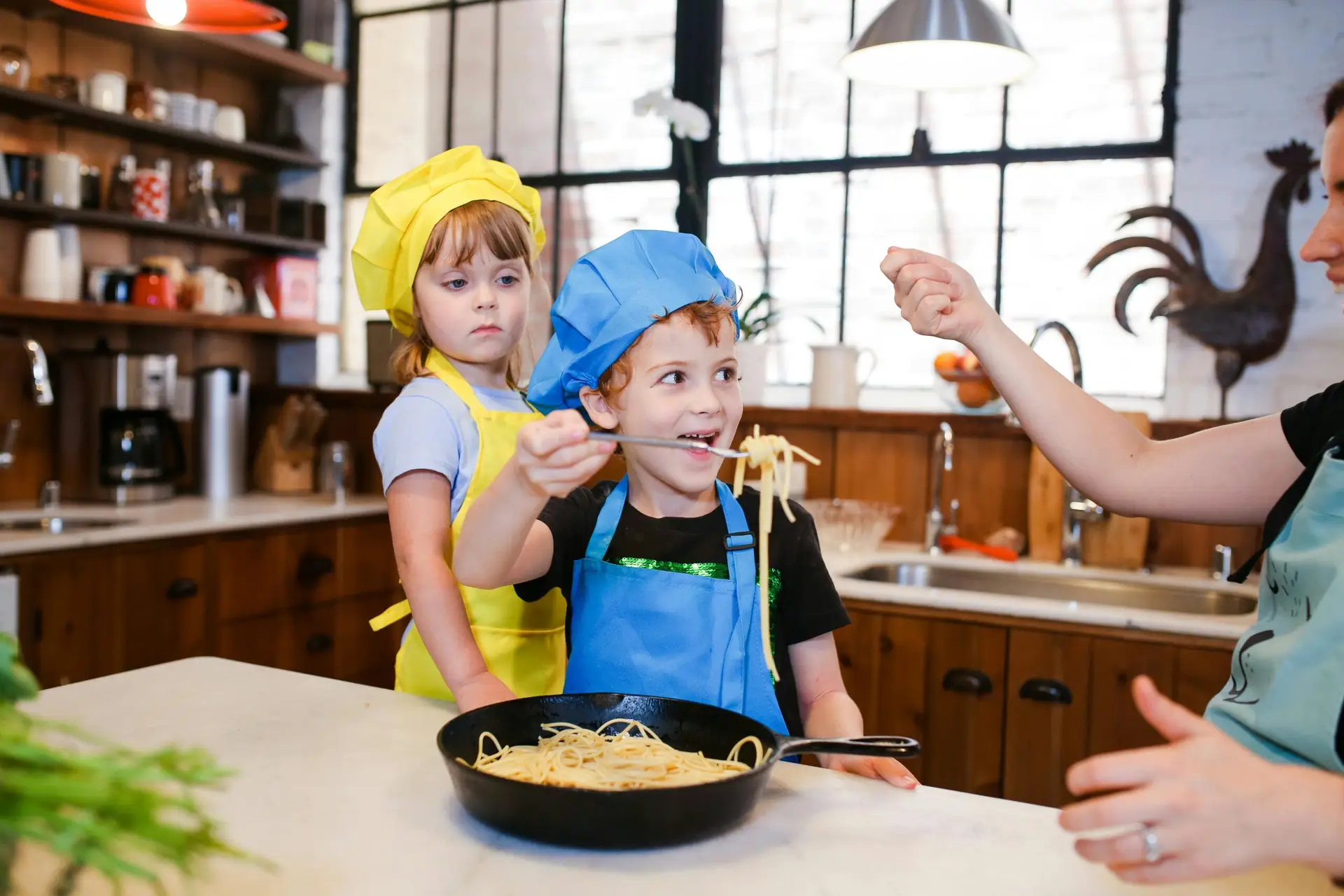
Parenting Tips matter because modern families face pressure from social media, school expectations, and nonstop responsibilities. You want clear guidance that fits real life, not confusing advice that changes every week. Parenting feels heavy when your child tests limits, when you compare yourself to others, or when you fear making mistakes. However, small habits create long-term change. This guide explains parenting tips in simple words so you can use them today. You’ll see age-flexible steps backed by child development research and examples from real homes. These strategies work for toddlers, school-age children, and teens because they focus on connection, structure, and emotional safety.
1. The Foundations of Effective Parenting
Parenting Tips start with strong foundations. Child psychologists explain that kids grow best when parents offer warmth with structure. Warmth gives emotional safety. Structure gives clear direction. You see healthier behavior when both exist together. Children who feel safe talk more openly, take more risks in learning, and show fewer behavioral problems. When boundaries stay firm, kids know what to expect. This reduces anxiety because their world feels predictable.
Healthy boundaries also help kids learn self-control. For example, if bedtime stays the same every night, your child develops better sleep habits. If screen time rules remain consistent, arguments decline because the rule is stable. Emotional safety grows when parents listen without judgment. A child who feels understood often calms faster, even during tough moments. These foundations shape behavior far more than punishments or rewards.
2. Communication That Builds Trust
Strong communication is one of the most important parenting tips. Children cooperate more when they feel heard. Listening with patience helps a child talk about struggles without fear. Tone matters more than many parents realize. A gentle voice increases cooperation while a sharp voice often increases resistance. Trust grows when kids feel conversations are safe.
Parents can use open-ended questions to help kids express feelings. A question like “What happened before you felt upset?” invites thinking. Simple questions like “How can I help right now?” show support. Younger kids need short phrases. Teens need space to talk without interruption. Communication improves when you avoid lectures and focus on understanding the child’s view. This builds a relationship where honesty becomes normal.
Useful Table for Communication Strategies
| Age Group | Helpful Phrases | Goal |
| Toddlers | “Show me.” | Helps express feelings without words |
| Ages 6–10 | “What do you need right now?” | Builds problem-solving |
| Teens | “I’m listening. Take your time.” | Builds trust and openness |
3. Discipline That Teaches, Not Punishes
Many parents search for parenting tips about discipline. Research shows that yelling often increases misbehavior because it triggers fear instead of learning. Discipline becomes effective when consequences connect to behavior. Logical consequences teach responsibility without shame. For example, if a child breaks a toy during a tantrum, the logical consequence is losing the toy for the day. When the rule stays predictable, the child learns what behavior leads to which outcome.
Common conflicts like tantrums or homework refusal improve when routines stay consistent. Younger children need calm redirection. Teen conflicts like curfew problems improve with clear expectations. For instance, setting a curfew together helps teens feel respected and responsible. Discipline works best when parents stay calm. A calm approach teaches emotional skills your child will copy. Teaching beats punishment because it builds lifelong habits.
4. Emotional Intelligence at Home
Emotional intelligence grows when parents name emotions openly. Kids learn faster when adults label feelings like anger, sadness, or excitement. A simple phrase like “It looks like you’re frustrated” helps a child feel understood. This lowers emotional intensity. It also teaches vocabulary for emotions. Emotional coaching helps kids handle stress. You can teach skills like slow breathing or taking a short break. Older children benefit from writing feelings in a notebook.
Parents who model emotional control create powerful lessons. When you stay calm during conflict, your child learns calmness. This modeling becomes one of the strongest parenting tips because kids learn from watching, not just listening. Emotional intelligence improves behavior, school performance, and relationships with peers.
Case Study: Emotional Coaching Success
A 7-year-old with daily tantrums learned to calm down within three minutes after parents consistently used labeling and breathing exercises for four weeks.
5. Building Independence and Responsibility
Kids grow confident when they handle small responsibilities. Age-appropriate tasks help them feel capable. Parents often fear giving responsibility too early. However, research shows autonomy increases confidence, problem-solving, and resilience. Independence grows when parents allow small failures safely. A child who forgets homework learns to manage schoolwork better next time.
Chores help kids feel part of the family team. Instead of forcing chores, explain why they matter. This increases cooperation. Schoolwork habits grow stronger when routines stay simple. A fixed study time helps the brain learn faster. Parents support independence best when they guide but do not over-control.
Table of Age-Appropriate Responsibilities
| Age | Responsibilities | Purpose |
| 3–5 | Put toys away | Builds basic discipline |
| 6–9 | Set table, pack school bag | Builds routine and order |
| 10–14 | Laundry, simple meals | Builds independence |
| 15–18 | Budgeting, planning tasks | Prepares for adulthood |
6. Strengthening the Parent–Child Bond
Connection is the heart of all parenting tips. A strong bond reduces conflict and improves cooperation. Short daily rituals help build this bond even in busy homes. A five-minute talk before bed or a morning hug increases emotional closeness. Play is also a powerful bonding tool. When parents play with kids, behavior improves because the child feels valued.
Shared activities create memories that strengthen trust. This might be cooking together or walking after dinner. Parents often underestimate how small moments shape relationships. A connected child listens better, opens up more, and feels secure. Even busy parents can build bonding routines that feel natural.
7. Supporting Healthy Learning and Growth
Learning thrives when basic needs stay balanced. Sleep improves memory and emotional control. Nutrition fuels focus and energy. Screen time affects attention span. A stable routine supports strong learning habits. A calm study environment helps kids stay focused without pressure. Encouraging curiosity leads to better learning than memorization alone.
Rewards help sometimes but can hurt motivation when overused. Children learn better when they understand the value of learning. Curiosity grows when parents ask questions like “What do you think will happen?” instead of giving answers immediately. This builds critical thinking. Healthy growth depends on small habits repeated daily.
8. Parenting in the Digital Age
Modern parents need parenting tips for technology because digital life affects mood, attention, and self-esteem. Creating a healthy tech environment starts with clear rules about screen time. Consistency reduces battles. Parents should model healthy device behavior because children follow what they see. Online safety also matters. Teach kids not to share personal information or talk to strangers online.
Social media shapes self-esteem. Teens compare themselves to others, which increases anxiety. Parents can help by discussing how online images are edited or staged. Protecting attention span at home becomes easier when technology-free zones exist. For example, keeping devices out of bedrooms improves sleep and mental health. Digital parenting requires awareness, guidance, and open communication.
Table: Healthy Tech Boundaries
| Age | Daily Screen Time | Key Focus |
| 3–6 | 1 hour | Educational content |
| 7–12 | 1.5 hours | Balanced use |
| 13–18 | 2 hours | Social media awareness |
9. Self-Care for Parents
Many parenting tips forget the parent’s well-being. Parents who feel calm raise calm kids. Stress affects parenting tone, patience, and communication. Burnout leads to short tempers and emotional exhaustion. Parents should notice stress signals like irritability or constant fatigue. Building a support system helps manage stress. Talking to friends or family reduces emotional load.
Quick daily habits like deep breathing, short walks, or a quiet moment with tea can restore balance. Guilt-free breaks help both parent and child. Children learn emotional regulation when they see parents regulate themselves. Strong parenting starts with a strong parent.
10. When to Seek Professional Help
Sometimes parents need guidance beyond home strategies. Knowing when to seek help is an important part of parenting tips. Red flags include extreme aggression, withdrawal, sudden behavior changes, or long-lasting sadness. Children with frequent school problems or social difficulties may need evaluation. Therapy helps kids understand emotions, improve behavior, and build confidence.
Parents should approach therapy without fear. Getting help early prevents bigger challenges later. Mental health support shows strength, not weakness. Professionals provide tools that support the family as a whole. Early support leads to healthier emotional development.
Conclusion
Strong Parenting Tips come from consistency, warmth, and connection. Great parenting does not require perfection. It requires steady daily habits that build trust and respect. Children grow when parents guide with patience and structure. When you apply these simple and research-backed strategies, your home becomes calmer and more connected. Small steps create long-term harmony. Keep showing up. Keep guiding with love. Keep building a family environment where everyone feels safe, supported, and understood.
FAQs
1. What are the most effective parenting tips for young kids?
The most effective tips include consistent routines, emotional labeling, and calm discipline that teaches instead of punishes.
2. How do I improve communication with my child?
Use open-ended questions, listen without interrupting, and keep your tone gentle. This builds trust.
3. How do I reduce tantrums at home?
Predictable routines, emotional coaching, and logical consequences reduce tantrums over time.
4. What is the best way to set screen time rules?
Create clear rules, follow them consistently, and keep devices out of bedrooms for better sleep.
5. How do I support my child’s learning at home?
Balance sleep, nutrition, and study routines. Encourage curiosity instead of memorization.





One response to “Parenting Tips: Practical Research-Based Strategies for Real Families”
[…] Healthy Living often feels confusing because you see many rules, trends, and products that promise fast results. However you learn very quickly that real health comes from simple daily choices done again and again. You don’t need extreme diets or long workouts. You don’t need special drinks or costly tools. You only need small habits that fit your life. These habits shape how you feel, how you move, and how you think. When you build them slowly, they stay with you for years. This guide gives you clear steps based on science. You get easy actions and practical ideas that help you enjoy a stronger and more balanced life. […]